12 Best Protein Muffin Recipes (Healthy & High-Protein)
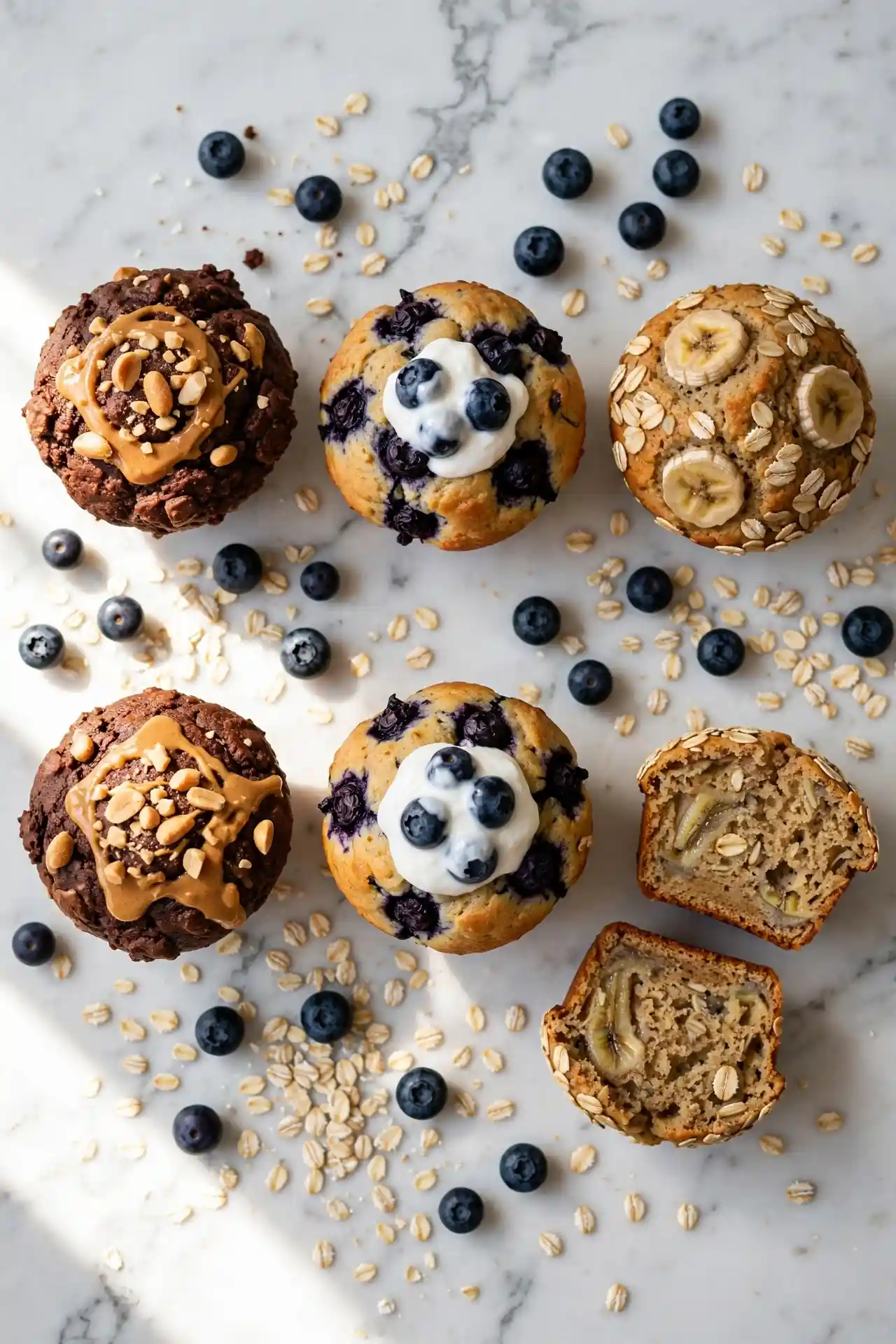
Why You’ll Love These Protein Muffins
Most protein muffins taste like punishment. These don’t. Each recipe below was developed to hit at least 9g of protein per muffin while keeping the texture you’d actually want from a bakery muffin — moist crumb, domed top, no chalky aftertaste.
- 9-20g protein per muffin without any weird texture
- Meal-prep friendly — they keep 5 days in the fridge and freeze beautifully
- No protein powder required for most recipes (Greek yogurt, eggs, and nut butters do the work)
- Naturally portion-controlled at 150-220 calories each
- Freezer-safe for up to 3 months
How to Make Protein Muffins That Actually Taste Good
The Basic Formula
Every good protein muffin follows the same ratio. Once you understand it, you can improvise your own flavors:
1 scoop protein powder OR ½ cup Greek yogurt — your primary protein source
1 cup flour (oat, almond, or all-purpose) — structure
2 eggs — binding and additional protein
⅓ cup sweetener (honey, maple syrup, or monk fruit) — moisture and sweetness
¼ cup fat (nut butter, coconut oil, or Greek yogurt) — tenderness
1 tsp baking powder + ½ tsp baking soda — lift
Step-by-Step Method
- Mix the dry ingredients: Whisk flour, protein powder (if using), baking powder, baking soda, and salt in a large bowl. Breaking up lumps now prevents pockets of dry powder in the finished muffin.
- Whisk the wet ingredients: In a separate bowl, combine eggs, Greek yogurt, sweetener, melted fat, and vanilla. Whisk until completely smooth — no streaks of egg white.
- Combine gently: Pour wet into dry and fold with a spatula until just combined. A few small lumps are fine. Overmixing develops gluten and makes muffins tough and dense.
- Rest the batter: Let the batter sit for 10 minutes. This hydrates the flour and gives you taller, more even muffins. Don’t skip this.
- Fill and bake: Divide among 12 lined muffin cups, filling each about ¾ full. Bake at 175°C (350°F) for 18-22 minutes, until a toothpick comes out with moist crumbs (not wet batter).
- Cool properly: Cool in the pan for 5 minutes, then transfer to a wire rack. This prevents soggy bottoms.
12 Best Protein Muffin Recipes
1. Chocolate Peanut Butter Protein Muffins
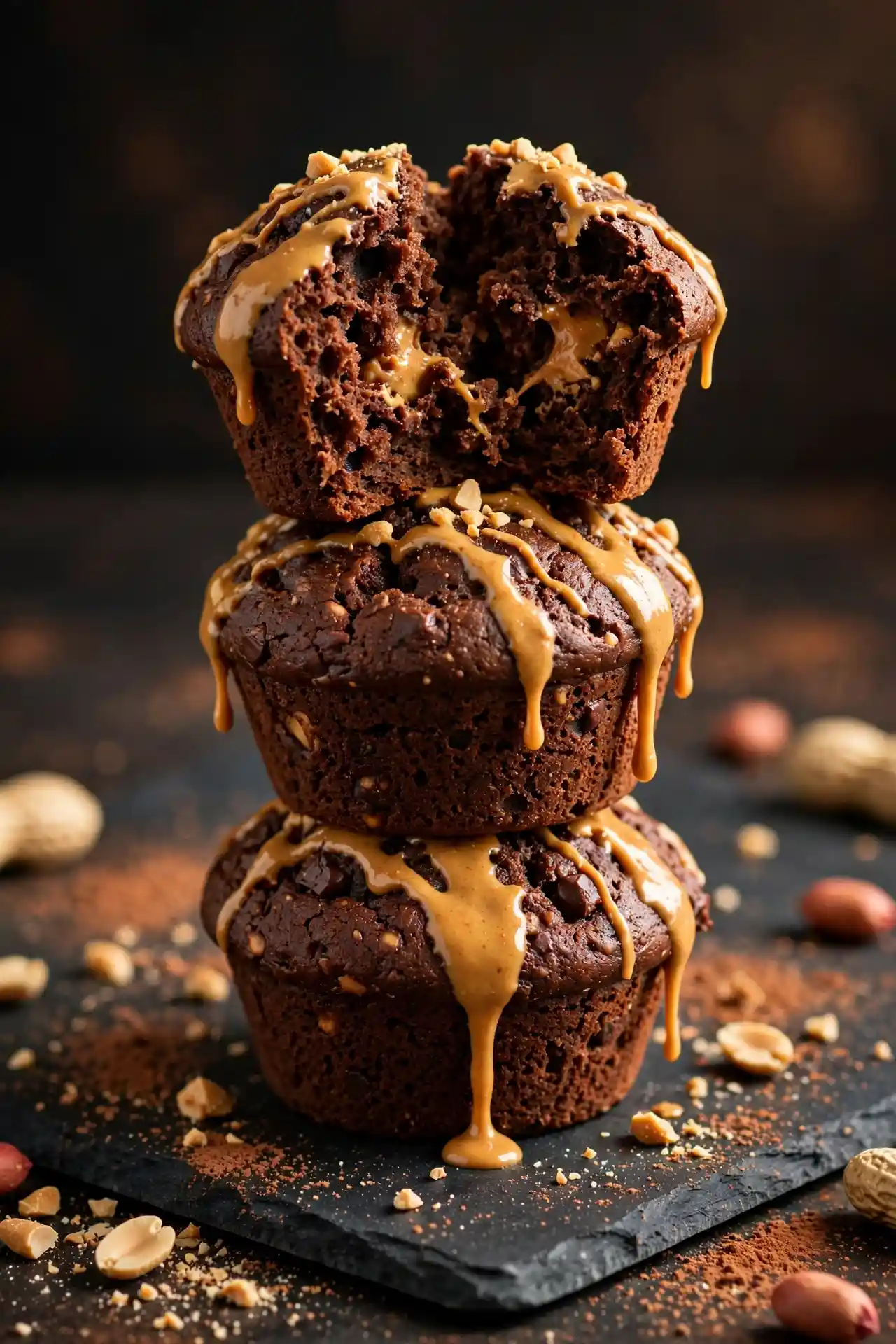
15g protein | 195 calories. The one that started it all. Chocolate protein powder, cocoa powder, and a peanut butter drizzle that makes these taste like dessert. The peanut butter in the batter keeps them incredibly moist for days.
Why it works: The fat from the peanut butter coats the flour proteins, limiting gluten development. That’s what keeps the crumb tender instead of tough.
2. Blueberry Protein Muffins
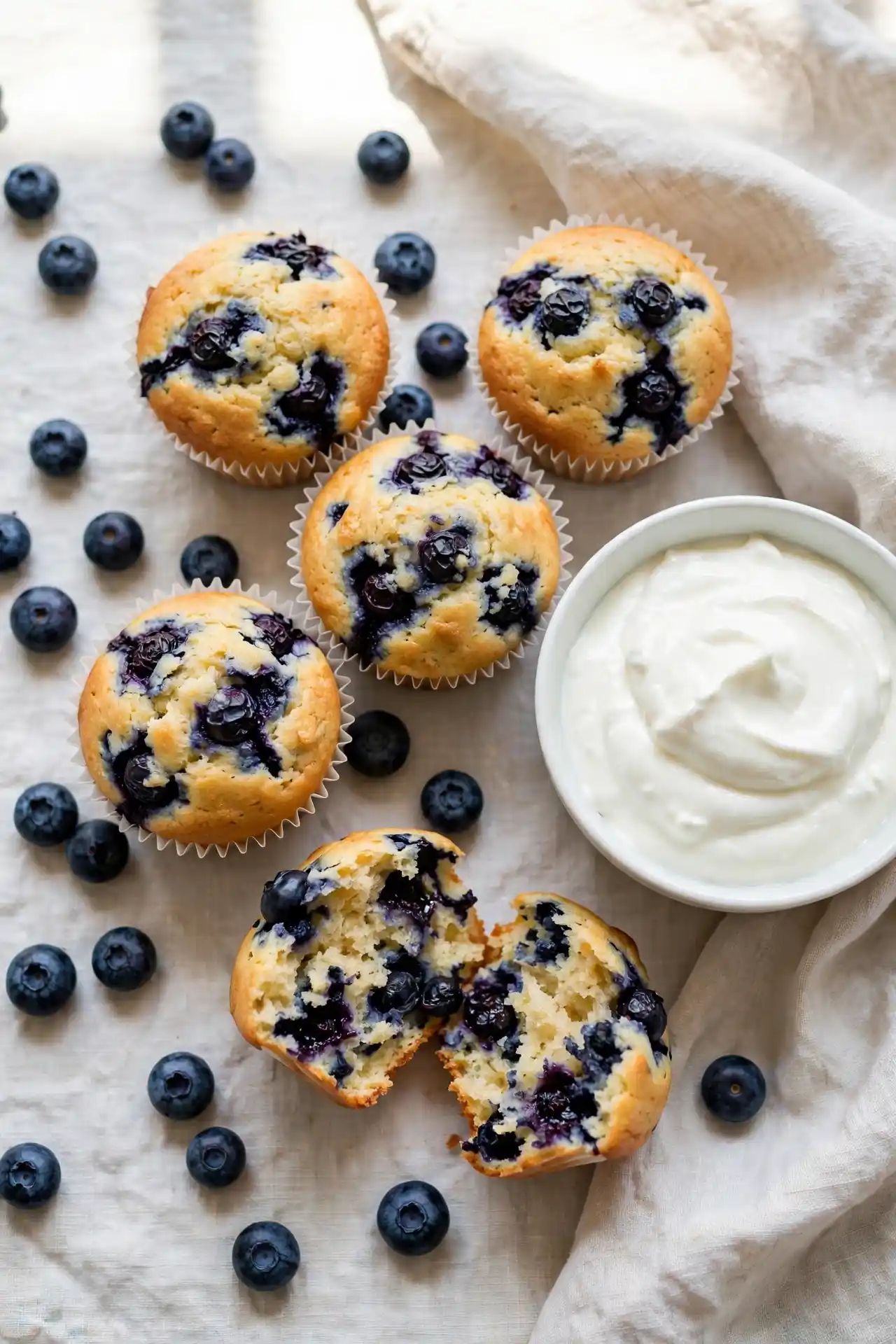
12g protein | 165 calories. Greek yogurt does double duty here — protein and moisture. Toss the blueberries in a tablespoon of flour before folding them in to prevent them sinking to the bottom.
Why it works: The acidity in Greek yogurt reacts with the baking soda for extra lift, giving you tall, domed muffins without any toughness.
3. Banana Oat Protein Muffins
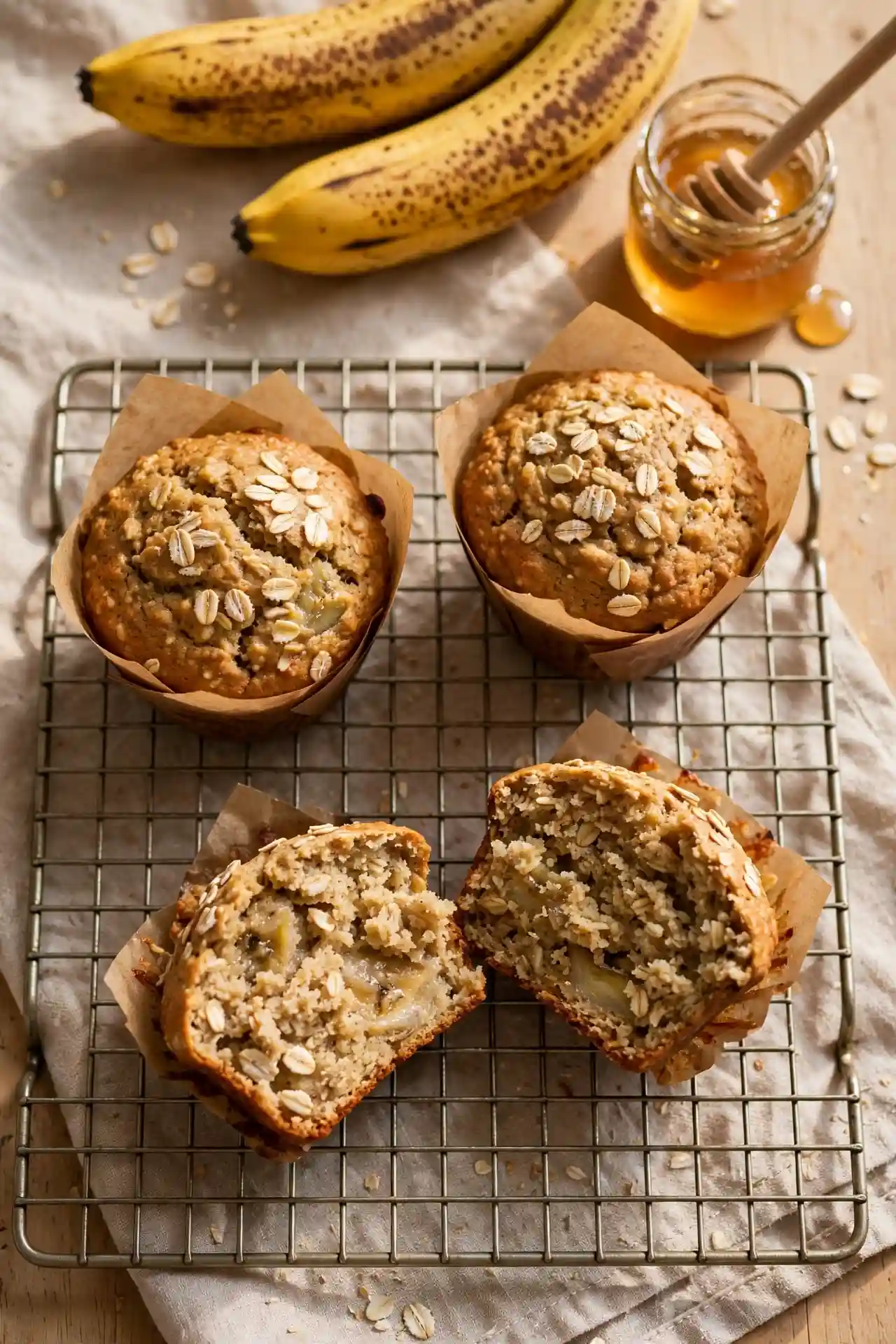
10g protein | 175 calories. Three-ingredient simplicity: ripe bananas, oats, and eggs blended smooth. No flour, no added sugar, no protein powder needed. The riper the bananas, the better.
Why it works: Very ripe bananas are mostly sugar, which means natural sweetness and moisture without any added sweetener. The oat flour keeps them hearty.
4. Double Chocolate Protein Muffins
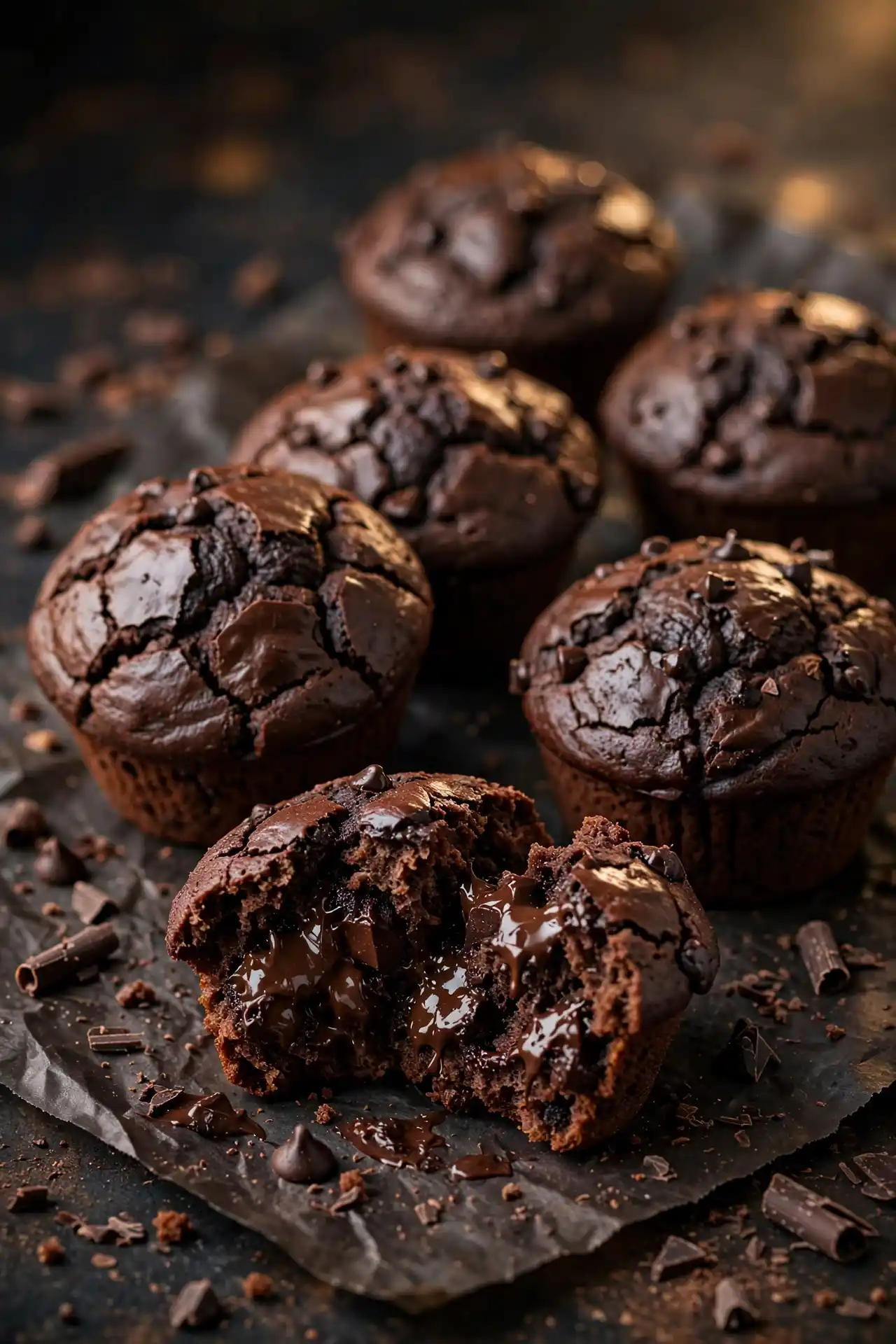
14g protein | 210 calories. Cocoa powder plus chocolate chips plus chocolate protein powder. These are for the days when only chocolate will do. Slightly underbake them for a molten center.
Why it works: Cocoa powder is naturally bitter, which balances the sweetness of the protein powder. The combination tastes more like real chocolate than either would alone.
5. Lemon Poppy Seed Protein Muffins
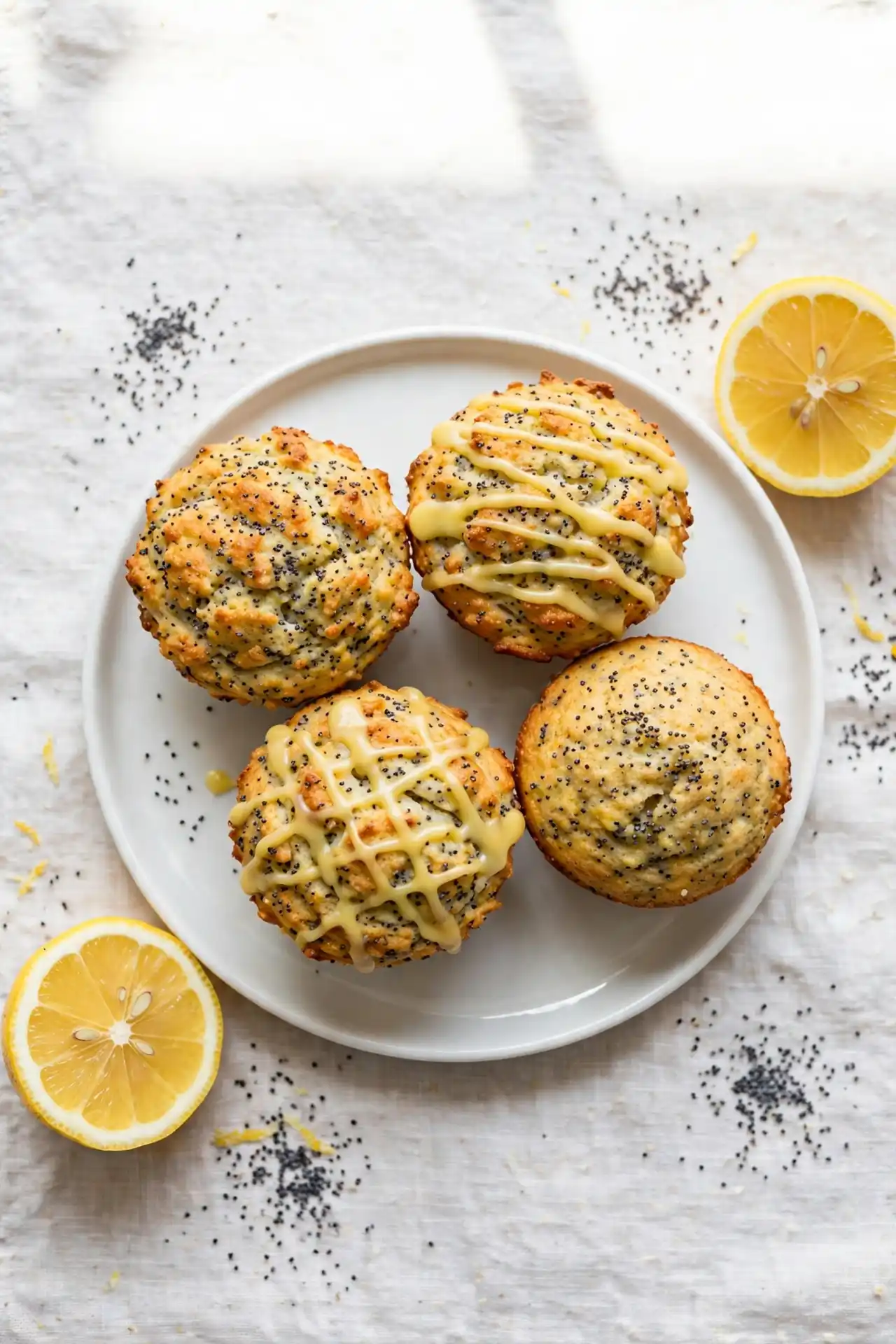
11g protein | 160 calories. Bright, fresh, and nothing like a protein bar. Fresh lemon zest (not juice) is the key — the oils in the zest carry the flavor without adding excess moisture.
Why it works: Lemon’s acidity tenderizes the crumb the same way buttermilk does. The poppy seeds add a subtle crunch that makes the texture interesting.
6. Pumpkin Spice Protein Muffins
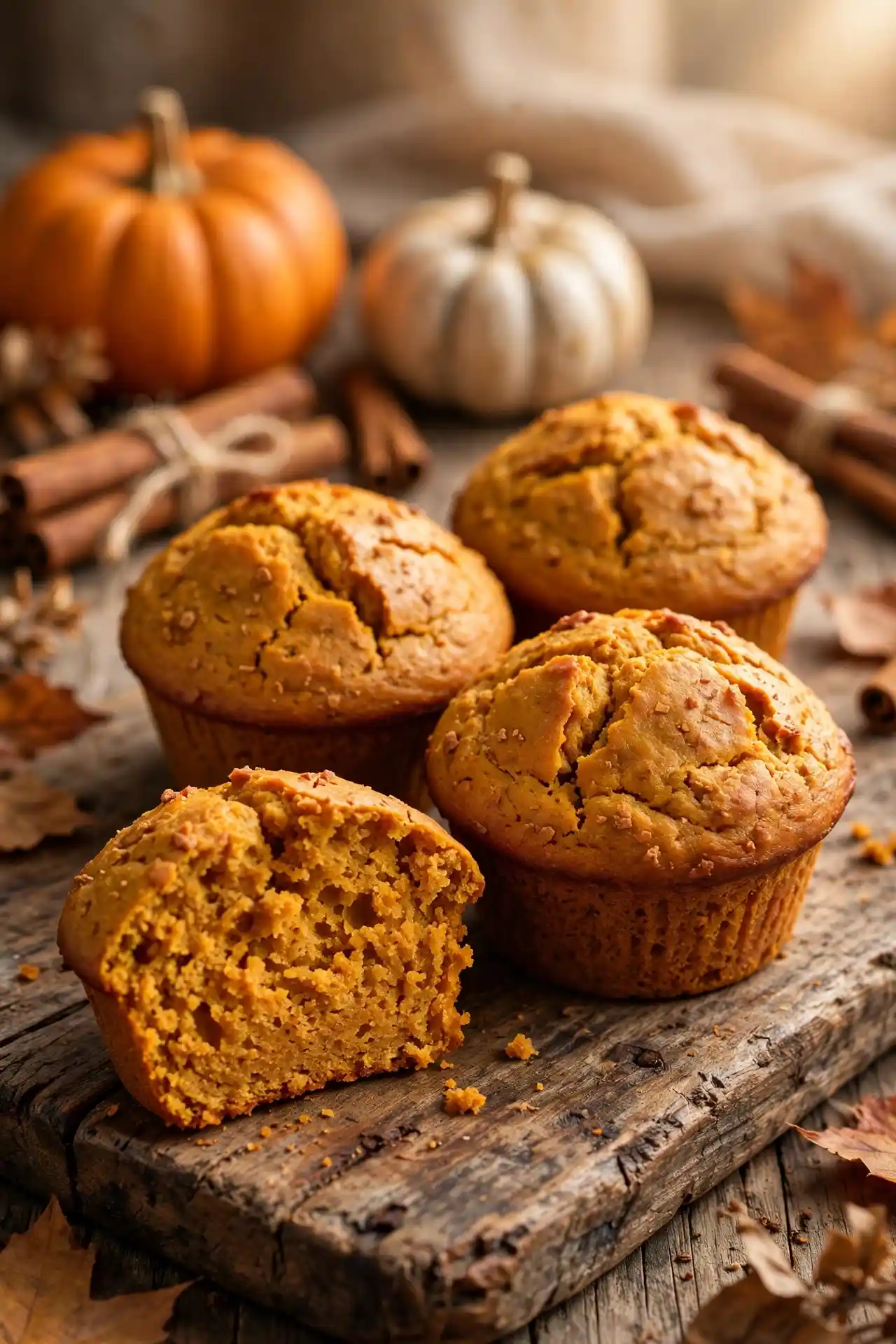
12g protein | 170 calories. Canned pumpkin purée (not pie filling) adds moisture, fiber, and that autumn flavor without extra fat. These taste like fall in muffin form.
Why it works: Pumpkin purée is mostly water and fiber, which means incredible moisture at almost no calorie cost. It’s the secret weapon of healthy baking.
7. Vanilla Almond Protein Muffins
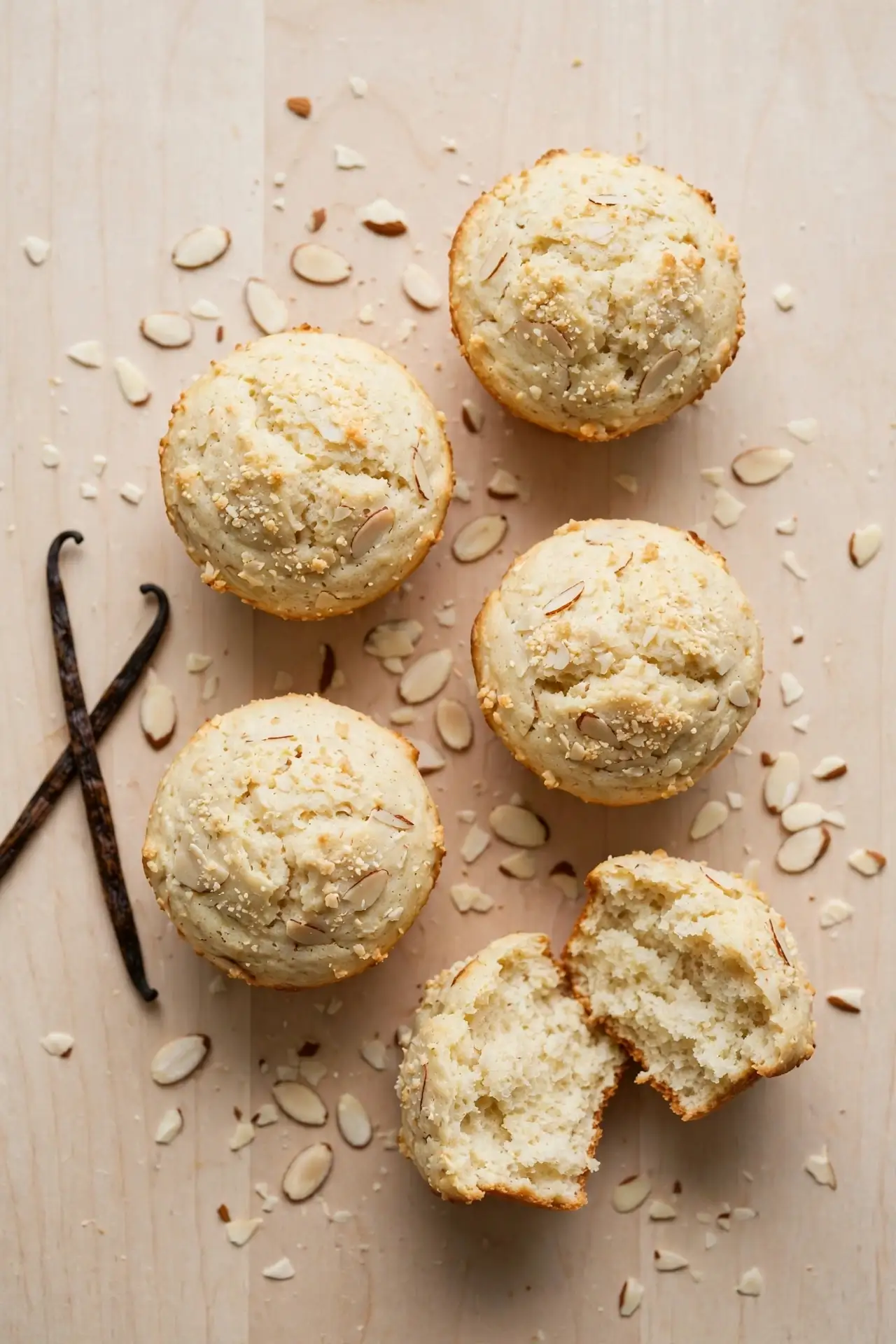
13g protein | 180 calories. Almond flour and vanilla protein powder create a delicate, bakery-style muffin. The sliced almonds on top toast during baking for extra crunch.
Why it works: Almond flour has no gluten, so these literally cannot get tough from overmixing. They’re the most forgiving muffin on this list.
8. Cinnamon Roll Protein Muffins
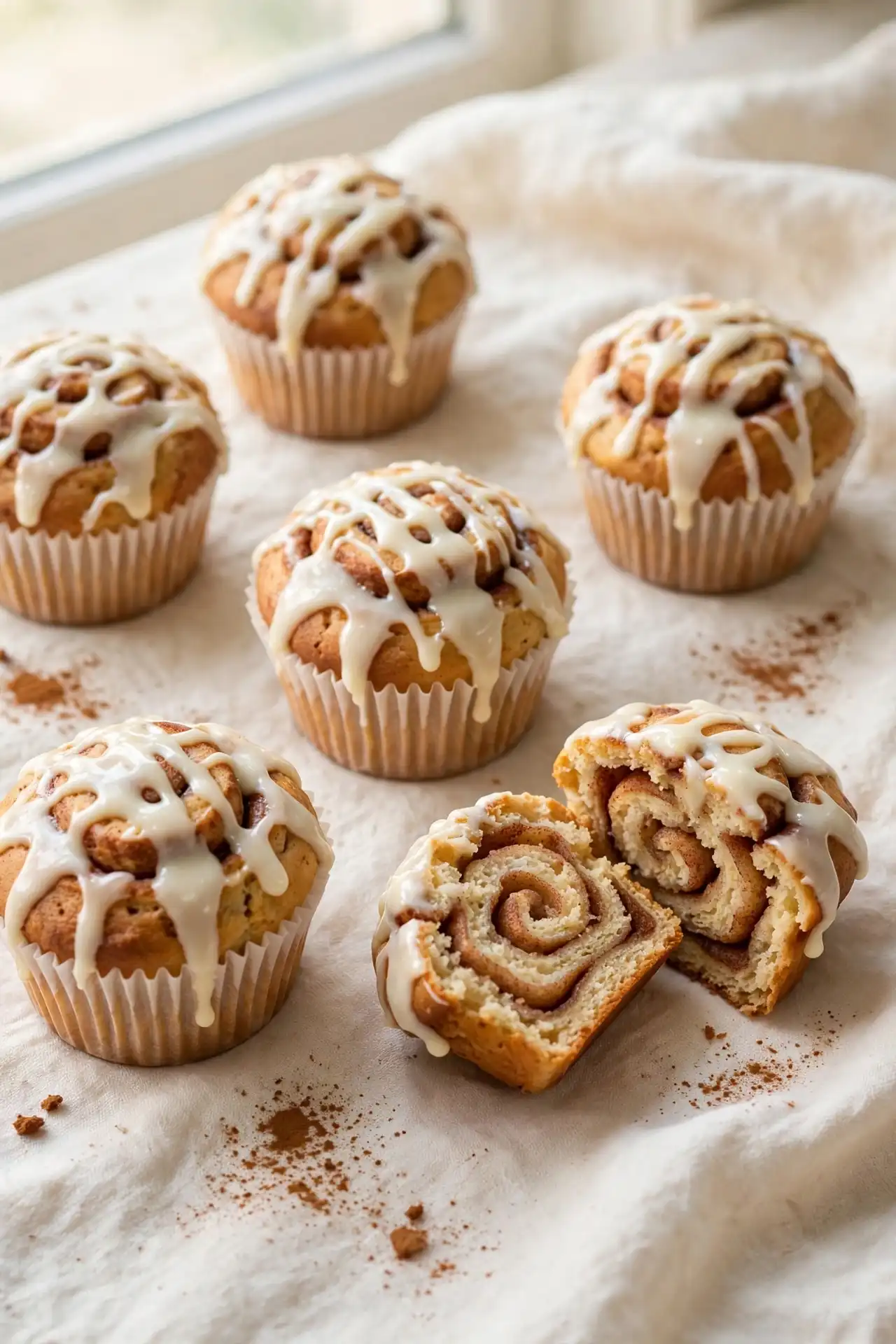
12g protein | 185 calories. A cinnamon swirl through the batter and a light cream cheese glaze on top. All the cinnamon roll flavor, none of the 4-hour commitment.
Why it works: The cinnamon-sugar swirl creates pockets of flavor throughout instead of just on top. Every bite has contrast.
9. Strawberry Cheesecake Protein Muffins
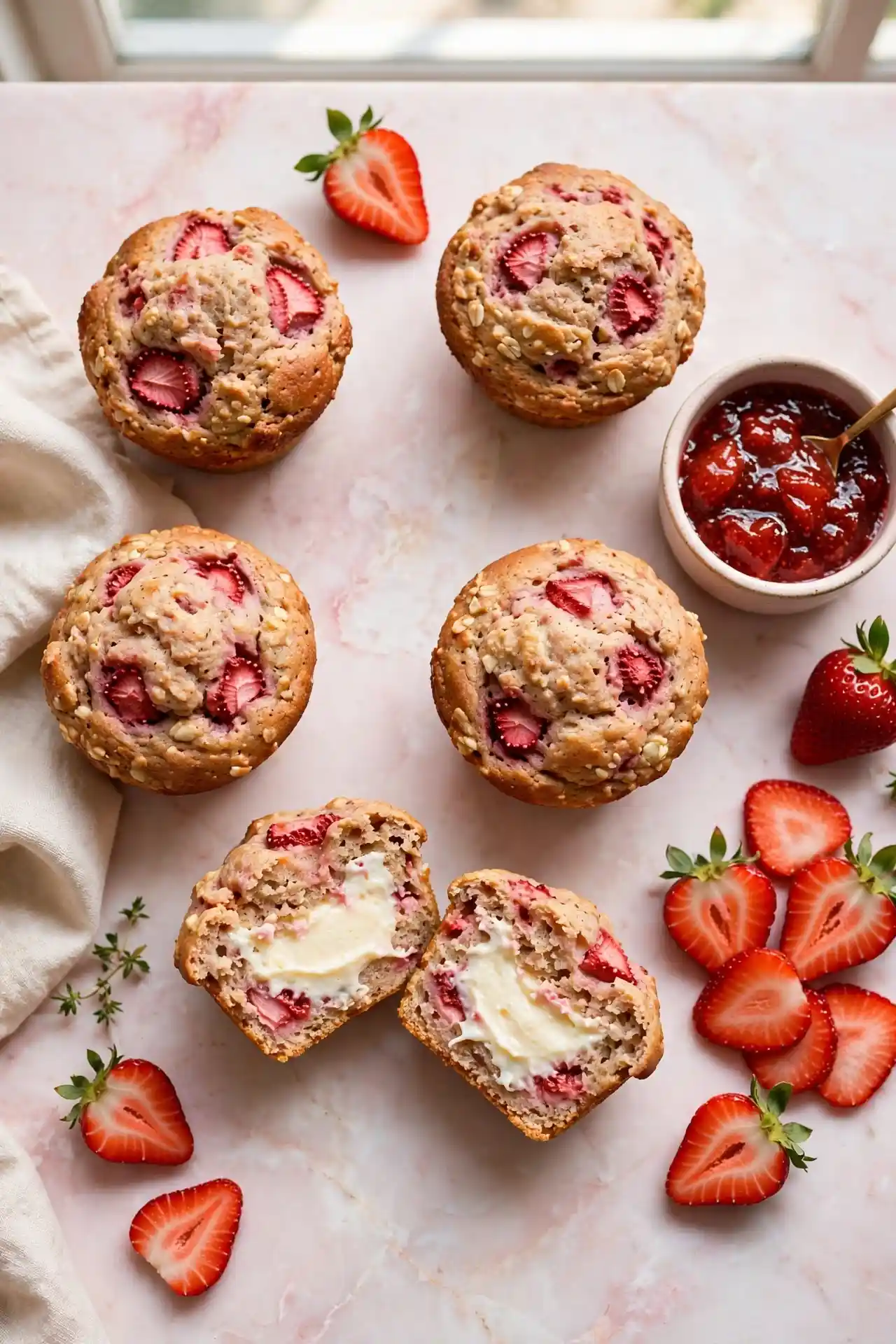
14g protein | 190 calories. A cream cheese center that goes molten when warm. Use freeze-dried strawberries in the batter for intense flavor without excess moisture.
Why it works: The cream cheese center adds protein and creates a texture contrast — creamy middle, tender crumb. Freeze-dried fruit gives flavor without the sogginess of fresh berries.
10. Matcha White Chocolate Protein Muffins
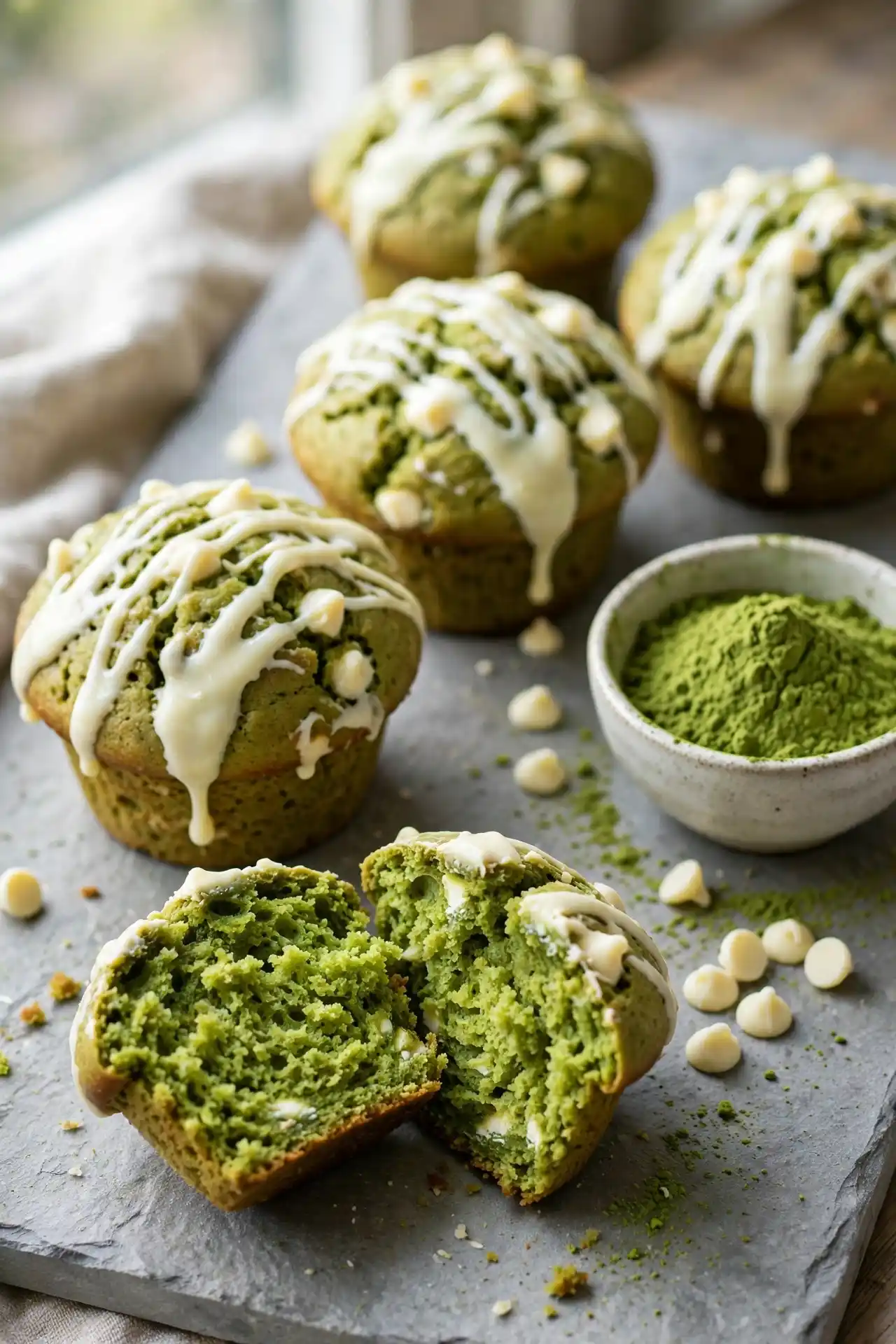
11g protein | 175 calories. Ceremonial-grade matcha for the best flavor (culinary grade tastes bitter). White chocolate chips balance the earthiness of the matcha.
Why it works: Matcha’s slight bitterness needs sweetness to balance it, and white chocolate provides exactly that. The combination is sophisticated without being complicated.
11. Carrot Cake Protein Muffins
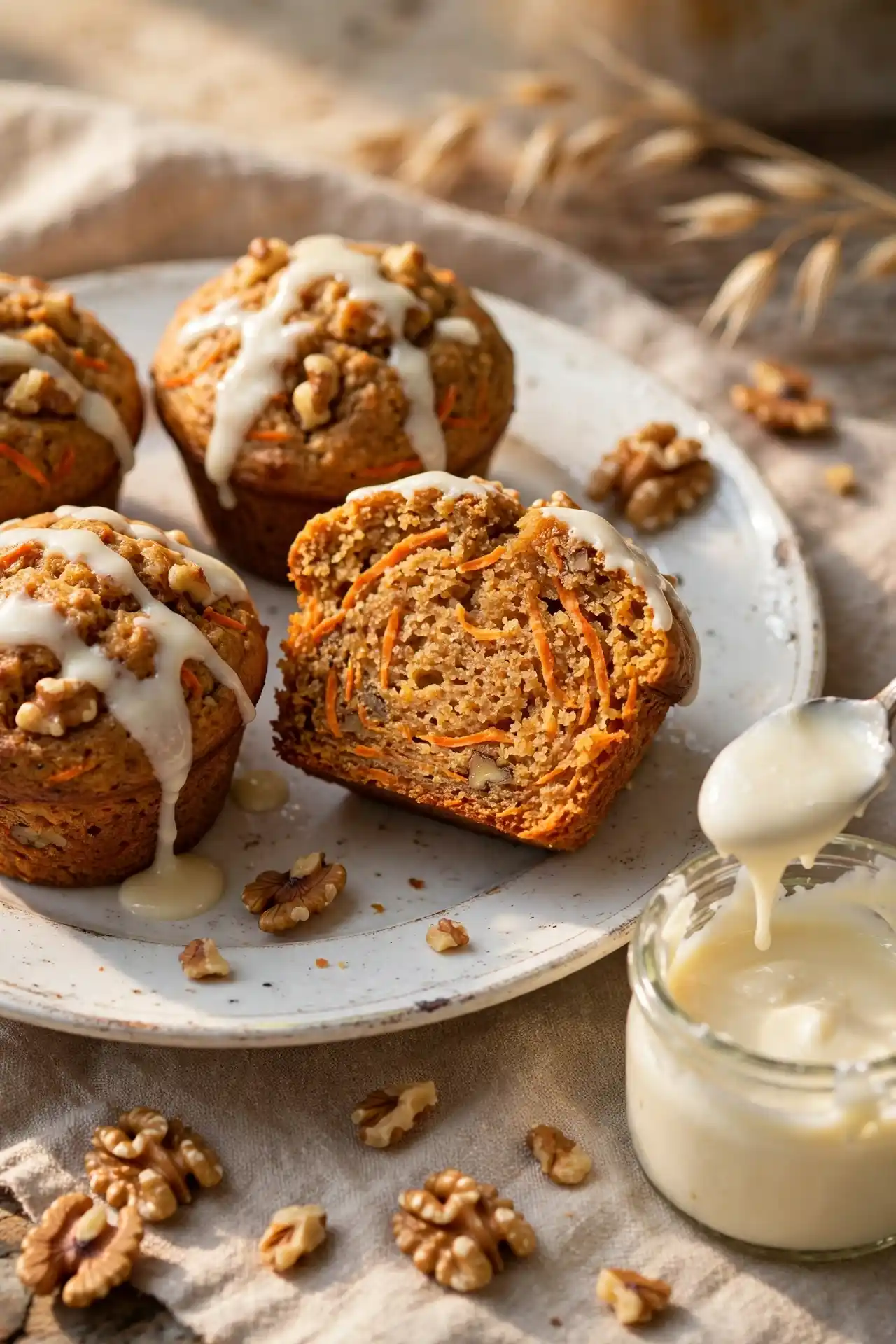
10g protein | 180 calories. Grated carrot keeps these incredibly moist, and the warm spices make them taste like actual carrot cake. The cream cheese glaze is optional but recommended.
Why it works: Carrots are naturally sweet and full of moisture. They do the same job as applesauce or banana in keeping the crumb tender.
12. Apple Cinnamon Protein Muffins
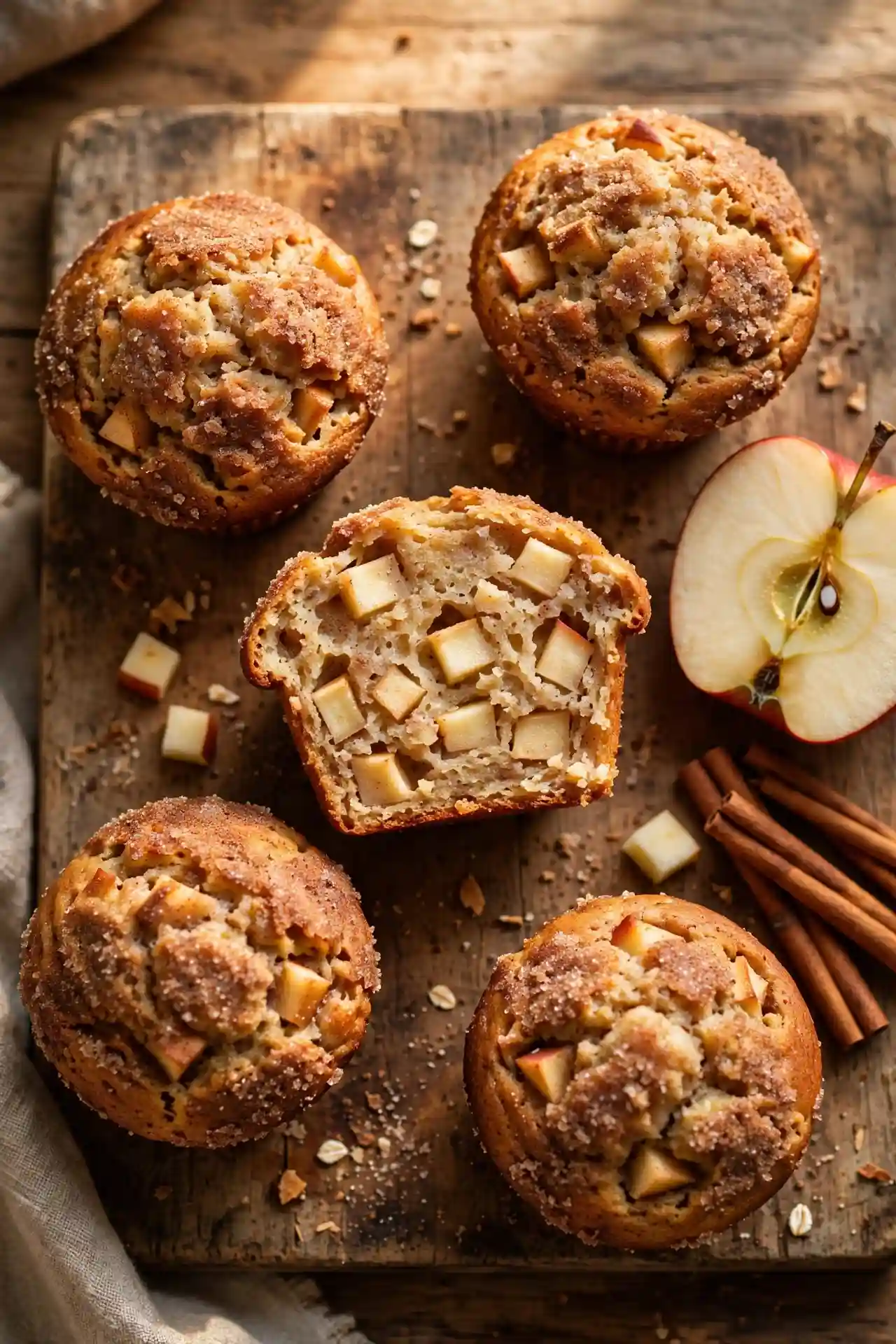
10g protein | 170 calories. Diced apple (not grated) for pockets of fruit in every bite. A cinnamon sugar topping that gets slightly crispy during baking.
Why it works: Diced apple holds its shape during baking, creating little bursts of fruit. Grated apple disappears into the batter — good for moisture, bad for texture contrast.
Protein Muffin Tips for Best Results
Don’t overbake. This is the number one mistake with protein muffins. They continue cooking from residual heat after you pull them out. A toothpick with moist crumbs means done; a completely clean toothpick means overbaked.
Room temperature ingredients mix more evenly. Cold eggs and yogurt don’t incorporate smoothly, which leads to uneven texture. Set them out 30 minutes before baking.
Measure protein powder by weight, not scoops. Scoops vary wildly between brands. 30g is the standard serving — use a kitchen scale for consistency.
Storage and Meal Prep
Room temperature: Store in an airtight container for up to 2 days. Place a paper towel in the container to absorb excess moisture.
Fridge: Keeps for 5 days refrigerated. The cold firms them up slightly — microwave for 15 seconds to restore the fresh-baked texture.
Freezer: Wrap individually in plastic wrap, then store in a freezer bag for up to 3 months. Thaw overnight in the fridge or microwave from frozen for 45-60 seconds.
Meal prep tip: Bake a double batch on Sunday. You’ll have grab-and-go breakfasts all week with 10-15g protein each.
FAQs About Protein Muffins
Can I make protein muffins without protein powder?
Absolutely. Greek yogurt, eggs, nut butters, and cottage cheese all add significant protein. The banana oat muffins in this list use no protein powder at all and still hit 10g per muffin.
Why are my protein muffins dry?
Usually overbaking or too much protein powder. Protein powder absorbs a lot of moisture. If substituting it for flour, replace only half the flour, and add an extra 2-3 tablespoons of yogurt or milk.
Can I use any protein powder in muffins?
Whey and casein blends work best for baking. Pure whey isolate can make muffins rubbery. Plant-based powders (pea, brown rice) work but absorb more liquid — add 2-3 extra tablespoons of milk.
How do I prevent muffins from sticking to the liners?
Use parchment paper liners instead of regular paper ones, or spray regular liners lightly with cooking spray. Let muffins cool for 5 minutes before removing — they release more easily when not piping hot.
Can I make these muffins vegan?
Most recipes can be adapted. Replace eggs with flax eggs (1 tbsp ground flaxseed + 3 tbsp water per egg), use plant-based protein powder, and swap Greek yogurt for coconut yogurt. Texture will be slightly denser but still good.
Final Thoughts
Protein muffins prove that healthy baking doesn’t have to taste like compromise. Start with one recipe that appeals to you, nail the method, and you’ll have a meal-prep staple that actually makes your mornings better. The chocolate peanut butter and blueberry versions are the best starting points if you’re new to protein baking.